Mastering No-Cost Digital Publishing: A Practical Handb
Introduction
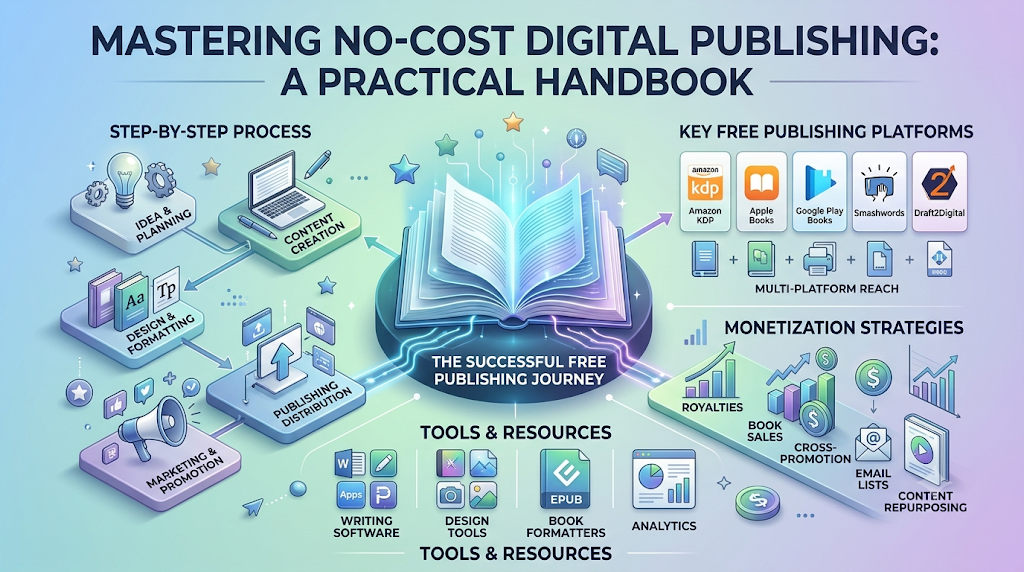
Setting up a web publication once required purchasing dedicated web space and writing server configurations. Today, creators can publish articles immediately using cloud-based platforms that manage hosting quietly in the background. Systems like BlogOrbix provide writers, students, and businesses with a zero-cost workspace featuring personalized subdomains, clean writing interfaces, team permissions, and built-in audience networks.blogorbix.com
Blog Sections Overview
- Zero-Cost Publishing Frameworks
- Setting Up Your First Publication
- What Writers Need from Publishing Software
- Moving Beyond Private Files
- A Direct Approach to Publishing Articles
- Understanding Free Hosting Options
- Managing Multi-Author Publications
- Personal Blogs and Creative Portfolios
- Scaling Content for Growing Businesses
- Finding Your Creative Community
- Platform Comparison Matrix
- Common Publishing Mistakes
- Pre-Publication Quality Review
- Improving Your Writing Clarity
- How BlogOrbix Supports Publishing Workflows
- Real-World Publishing Scenarios
- Frequently Asked Questions
- Final Thoughts
Zero-Cost Publishing Frameworks
A zero-cost publishing platform handles backend server management so writers can post articles live without purchasing web hosting plans. You bypass server setups completely and start drafting inside a ready-to-use digital editor.
While free platforms eliminate upfront costs, policies differ across providers. Certain platforms limit template modifications or restrict custom styling options. Checking these terms early helps you choose a tool aligned with your long-term publishing goals.
Setting Up Your First Publication
Launching a new site requires only a few concrete steps:
- Identify a specific topic and target readership.
- Select publishing software that fits your drafting style.
- Create your account using an active email address.
- Register a memorable, clean subdomain handle.
- Write your initial post using a simple text editor.
- Proofread your draft aloud to verify flow and grammar.
- Publish your piece so visitors can access it live.
- Distribute your link across personal and professional networks.
- Stick to a realistic, regular posting cadence.
What Writers Need from Publishing Software
Writers need calm, organized interfaces. A reliable text editor stays out of your way, keeping your text front and center rather than cluttering the screen with dense option bars.
Prioritize responsive themes that display cleanly across smartphones and desktop browsers. Simple tagging systems also keep past posts organized as your library grows over time.
Moving Beyond Private Files
Leaving ideas stored inside private document folders keeps your knowledge hidden. Publishing online transforms those offline notes into helpful public resources that answer real questions.
Sharing work publicly opens doors to reader feedback. Whether you write travel notes or step-by-step technical guides, clear subheadings and simple paragraphs help readers process your points.
A Direct Approach to Publishing Articles
Consistent writing relies on straightforward habits. Focus on solving one specific problem or answering one question per article.
Keep paragraphs brief and use headers to divide main ideas. Edit your work carefully before launching, and write every sentence yourself to build reader credibility.
Understanding Free Hosting Options
Web content must live on physical servers to stay accessible online. Free hosting means the platform covers those server allocations without charging monthly maintenance fees.
+
Most free accounts provide an instant subdomain (e.g., yourname.blogorbix.com). Note that free tiers may impose storage thresholds or design limits depending on platform policies.
Managing Multi-Author Publications
Multi-author publications let multiple contributors publish under one collective site. This setup suits agency teams, editorial circles, and business groups pooling industry insights.
Working with multiple writers broadens your coverage and brings varied perspectives. Defining clear roles—such as writers, copy editors, and site administrators—prevents miscommunication during review cycles.
Personal Blogs and Creative Portfolios
Personal blogs give creators a place to archive hobbies, creative essays, or career accomplishments. Focusing on a dedicated theme helps new visitors grasp your work immediately. Never post sensitive personal information or private documents on public sites.
Scaling Content for Growing Businesses
Companies publish blogs to demonstrate expertise, answer common customer questions, and release clear product walkthroughs.
+
Helpful content builds long-term trust with readers. Skip pushy sales pitches in every paragraph, focusing instead on providing accurate answers to client queries.
Finding Your Creative Community
Writing in total isolation gets repetitive. Interacting with other authors lets you exchange feedback and stay inspired.
Engaging thoughtfully with fellow writers creates a supportive network. Platforms with built-in discovery feeds help independent authors connect naturally with readers who care about similar topics.
Platform Comparison Matrix
Different projects require distinct feature sets. Use this guide to match your project type with the right platform setup.
| Project Type | Typical Content | Key Features to Inspect | Initial Strategy |
|---|---|---|---|
| Personal Blog | Hobbies, travel notes, essays | Minimal editor, subdomain support, clean layouts | Write consistently about topics you enjoy. |
| Portfolio Site | Case studies, bio, work samples | Professional styling, tag sorting, clean typography | Present your projects concisely and clearly. |
| Business Hub | Guides, customer FAQs, industry commentary | Multi-author management, clear categorization | Focus on answering real user questions. |
| Group Journal | Team essays, group research | Contributor roles, editorial review tools | Establish strict review rules early. |
Common Publishing Mistakes
New writers often make similar, avoidable mistakes. Keep these ten traps in mind:
- Publishing without a clear focus: Pick a defined topic so readers know what to expect.
- Ignoring site rules: Check platform guidelines before setting up your publication.
- Writing huge blocks of text: Use short paragraphs and subheadings for better readability.
- Skipping line-by-line edits: Read your drafts aloud to catch awkward wording.
- Copying external content: Write original text to build authentic reader trust.
- Creating vague titles: Write clear, descriptive titles that reflect the article content.
- Expecting immediate traffic: View publishing as a steady, long-term practice.
- Forgetting reader needs: Write articles that address specific questions your audience asks.
- Posting irregularly: Pick a realistic publishing schedule you can keep up with.
- Sharing personal records: Keep private files off public web pages.
Pre-Publication Quality Review
Check off these items before publishing your next post.
| Phase | Action Item | Purpose |
|---|---|---|
| 1. Focus | Target a single main question. | Keeps the post tight and informative. |
| 2. Heading | Draft a clear, honest title. | Tells readers exactly what they will learn. |
| 3. Layout | Add short paragraphs and headings. | Ensures easy reading on mobile screens. |
| 4. Editing | Fix typos and grammatical errors. | Maintains professional credibility. |
| 5. Originality | Confirm all text is unique. | Respects copyright and builds trust. |
| 6. Preview | Review the post on a phone screen. | Catches formatting issues before launch. |
| 7. Launch | Hit publish and share the link. | Makes your ideas available to readers. |
Improving Your Writing Clarity
Clear writing comes from thoughtful editing. Focus on narrow topics rather than broad, overwhelming ideas.
Organize your points logically using explicit section breaks, support arguments with concrete examples, trim unnecessary words, and keep older guides updated as information changes.
How BlogOrbix Supports Publishing Workflows
BlogOrbix provides an all-in-one publishing environment that lets creators and businesses launch articles without handling web server hosting.
Users receive a custom subdomain out of the box. The system supports single-author blogs as well as team publications across diverse niches, using internal discovery features to bring independent content directly to active readers.
Real-World Publishing Scenarios
Here is how different authors put zero-cost publishing tools to work.
The Independent Traveler
A weekend hiker wants to record trail notes without paying for hosting packages.
- Action: She sets up an account on a free publishing platform and picks a custom subdomain.
- Outcome: She posts trail guides that fellow hikers easily read online.
The Coding Instructor
A computer science teacher wants a clean space to post coding guides for students.
- Action: He uses a minimalist editor to format step-by-step code tutorials.
- Outcome: Students follow code snippets without dealing with sidebar ads or pop-ups.
The Boutique Agency
A consulting firm needs a shared workspace to publish weekly industry analysis.
- Action: They launch a multi-author blog using team permission controls.
- Outcome: Consultants collaborate on drafts, publishing insights under a single publication brand.
Frequently Asked Questions
What is a Free Blogging Platform?
A free publishing platform is a web service that lets you write and release articles without buying separate server space. The host manages security, maintenance, and server updates so creators can focus purely on writing.
How can I Create a Blog for Free?
You can create a free blog by signing up with your email on a hosted platform. Choose a subdomain handle, write your text inside the provided web editor, check for typos, and click publish to make your piece live.
Which Blogging Platform for Writers should I choose?
Choose a platform that offers a clean, distraction-free editor, mobile-friendly themes, and easy category management. Your choice depends on whether you are writing personal notes, showcasing portfolio work, or running a team blog.
What is an Online Publishing Platform?
An online publishing platform is digital software that converts raw text into public web pages. It lets creators share articles globally through regular web browsers.
How can I Publish Articles Online?
Select a clear topic, write concise paragraphs, and format the draft with section titles. Proofread your piece, check the mobile preview, and hit publish on your platform dashboard.
What is Free Blog Hosting?
Free blog hosting provides server storage for your articles at no charge. Platforms usually supply a free subdomain, though storage caps or theme choices may vary by provider.
What is a Multi-Author Blogging Platform?
A multi-author platform allows several writers to create, edit, and post content under one unified site. This makes it easy for businesses, writing circles, and magazines to manage team workflows.
How does a Personal Blogging Platform help beginners?
Personal platforms give beginners a risk-free space to practice writing without dealing with website code or hosting fees. Securing a free subdomain gives your writing a permanent home online.
How can a Business Blogging Platform help a company?
A business blog helps companies publish tutorials, answer customer questions, and demonstrate industry knowledge. Useful articles build trust with readers without forcing complex server management on your team.
How can I build a Blogging Community for Writers?
Build a community by reading other blogs, leaving genuine comments, and sharing posts inside discovery feeds. Platforms like BlogOrbix give independent authors shared spaces to connect with new readers.
Can a free blog use its own web address?
Most free platforms assign a standard subdomain automatically while giving you the option to connect a custom domain name later if desired.
Is BlogOrbix suitable for beginners and professional writers?
Yes. BlogOrbix suits new and experienced authors alike by offering simple writing tools, subdomains, multi-author management, and built-in article discovery.
Final Thoughts
Picking the right publishing setup lets you share your writing without getting stuck in server management. Choose a clear topic, draft direct sentences, and review platform guidelines before starting. Platforms like BlogOrbix make publishing simple by offering free subdomains, team tools, and content discovery for independent creators. Outline your first article today and start building your publication.blogorbix.com
Leave a Reply